- INSIDE/OUTSIDE
- Posts
- #7: vanessa german's Dimensional Divine
#7: vanessa german's Dimensional Divine
Visiting the THE BROOKLYN MUSEUM OF LOVE AND WONDER...

Mia Pearlman
April 02, 2026
Hi public art friends,
On Sunday I had the pleasure of hearing artist vanessa german give an artist talk and guided tour of her new public art project, THE BROOKLYN MUSEUM OF LOVE AND WONDER, at the new Shirley Chisholm Recreation Center in East Flatbush, Brooklyn.
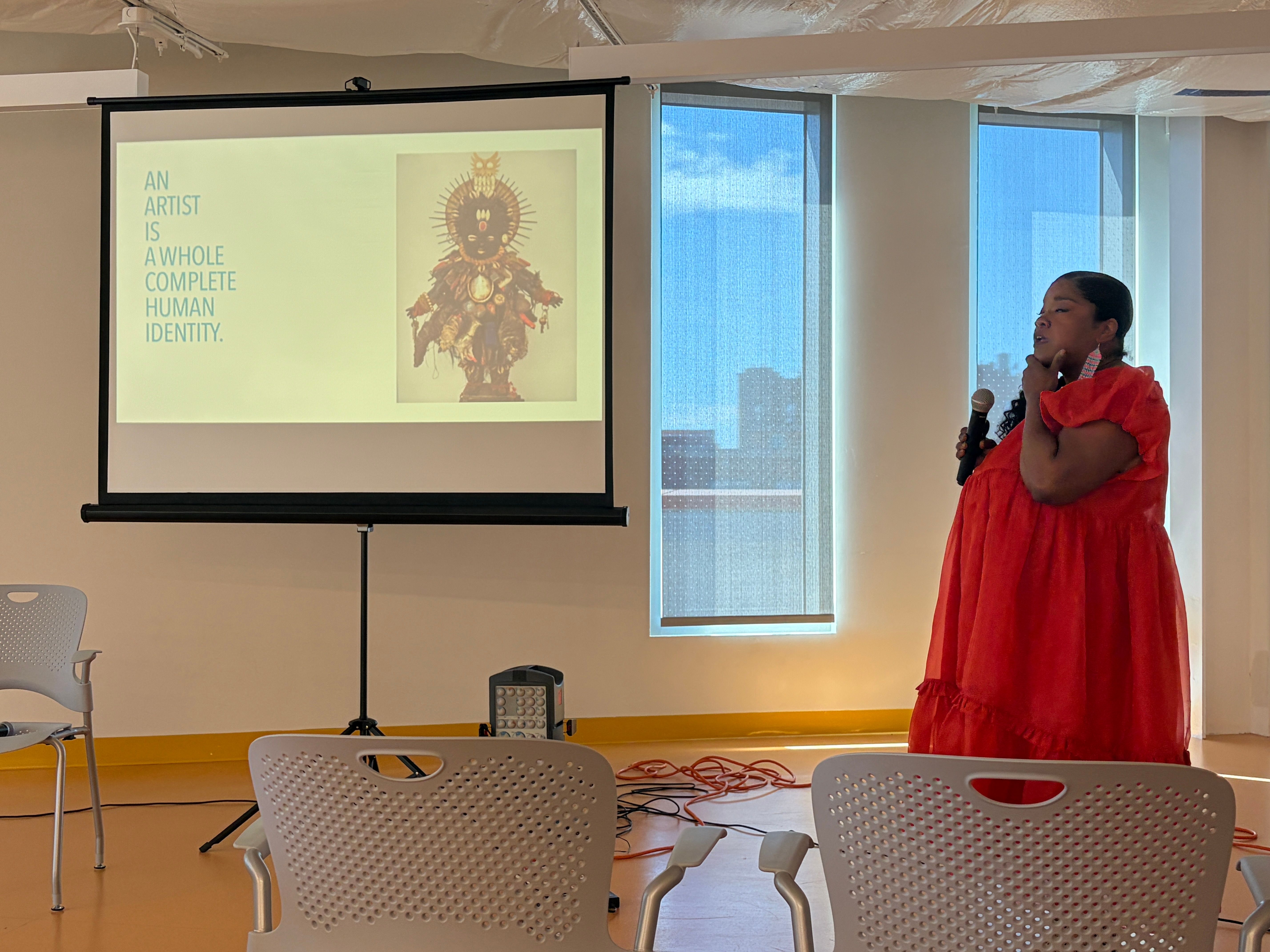
“An artist is a whole complete human identity.”
Designed by Studio Gang, this gigantic new city-owned rec center is surrounded by basketball courts and a playground, adjacent to the Flatbush Gardens housing projects. It is free for kids and highly subsidized for adults, and features a gym, pool, track and more. Plus it’s only a 15 minute walk from my apartment, which means I will soon get to workout with german’s work!
THE BROOKLYN MUSEUM OF LOVE AND WONDER was commissioned by the NYC Department of Cultural Affairs’ Percent for Art program, in collaboration with NYC Parks and the NYC Department of Design and Construction. The event was open to all, and the audience reflected the neighborhood, recently renamed “Little Haiti,” which is mostly Afro-Caribbean and African American, and includes Guyanese, Haitian, Jamaican, Saint Lucian, Trinidadian, Grenadian, Vincentian, Bajan, Panamanian and Dominican communities.
There were neighborhood locals, art world people, subjects of german’s work, and rec center members of all ages there to hear the artist speak. And did she! Wearing a bright red, ruffled dress and animal print ankle boots, german needed no notes for her presentation. Equal parts storytelling, non-denominational prayer meeting, artist talk and spiritual uplift, I knew immediately I had to take written notes (on a Key Food receipt crumpled in my purse) to remember her words and cadence. Please excuse any inaccuracies: it was impossible to keep up! They did take a video of her slide presentation, so hopefully that will be made public so you can hear every word.
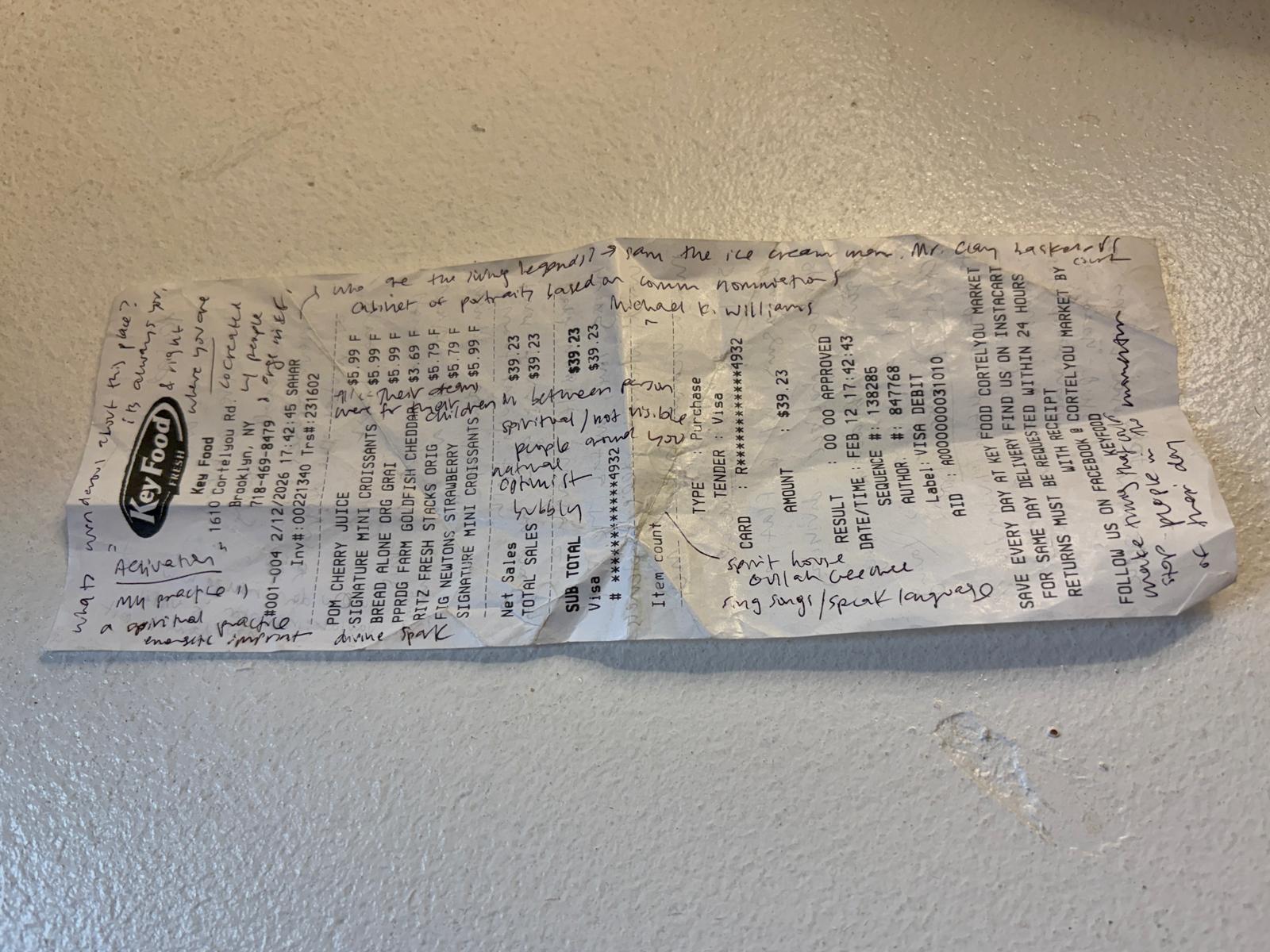
Clearly, I am not a professional journalist…
German launched in: “I was raised by an artist to be an artist. To solve problems by being intentionally loving, never refusing curiosity or muting the desires of the heart.”
Her mother, Sandra Keats German, a fiber artist and quilter whose work is in museum collections across the country, taught her “how to be alive in this world. An artist is a whole, complete identity.” Growing up in Los Angeles, it was too dangerous to play outside during the summer, so german’s mother covered the kitchen table in art supplies to fill the time.
As an adult living in a low income neighborhood in Pittsburgh, german’s house was also her studio. Eventually she ran out of space and worked on the porch, where neighborhood children asked if they could help. She rejected their offers of studio assistance, but bought them art supplies and taught them not just to paint and draw, but to think, to “make decisions.” When the porch was filled, she took her work into the street, where curious neighbors side-eyed her sculptures and nervously asked if they were voodoo.
Eventually, people asked to perform with her work, introducing it to the public through dance and music. Her front porch became a “creator space,” where she taught the local kids to feel and vocalize the words “I trust myself.”
Broke and trying to find ways to continue making art (german describes herself as “self-taught”), german “went through the trash to find things to give me energy. I kept myself going through living love, metabolising the world, integrating deep wholeness through the filter of my soul, communicating with the divine.” At one point her neighbor could no longer care for her young children, and german was asked by a social worker to foster them. Overnight she became a foster parent, and over time got permission from the city to turn the house next door into an artist residency.
Many years later, with a very successful career (german is represented by Kasmin Gallery and has exhibited her work in museums and galleries across the world), she was invited to propose a project for the rec center before it was built. german decided to “engage with East Flatbush as a spiritual practice of divinity.” The rec center was built after a long community process following a fatal shooting on that site, and to honor that history, it was important to the artist to “build a place that is loving…the creative process is love.”
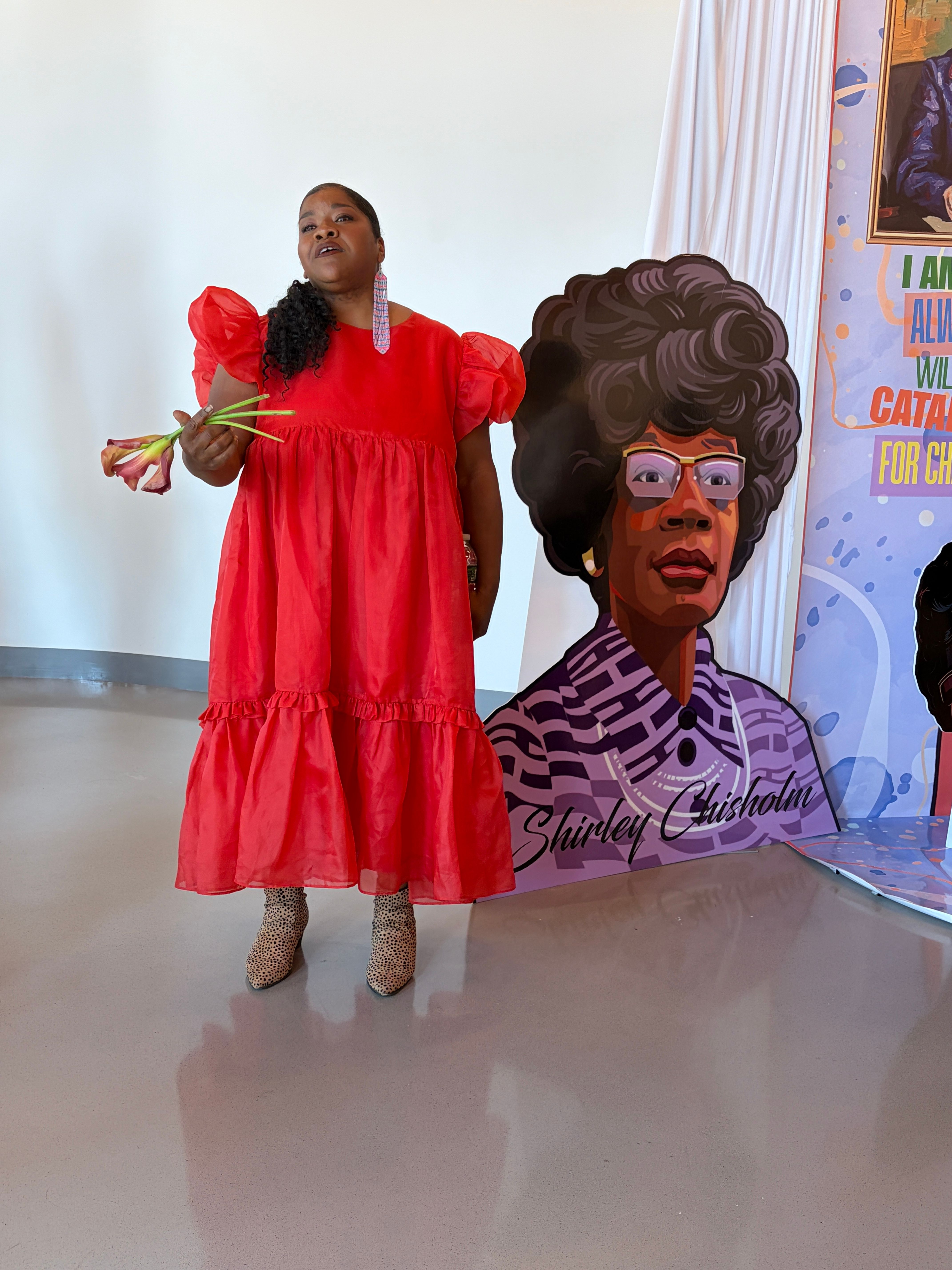
Unbought and unbossed
german asked the audience, “How do you define ‘living love?’” She answered her question: “by making, creating, sharing communities and cultures, working dimensionally.”
“Community engagement” is a popular catchphrase in public art RFQ’s these days, whose meaning can be fuzzy. What does it actually look like for an artist to engage with a community? Does that mean during ideation, as inspiration, physically creating the artwork, or sharing a dialogue about its content and siting?
It’s widely presumed that community engagement is a necessary and unequivocal good in public art. But questions still exist. Does (whatever type of) community engagement guarantee that the eventual public artwork will reflect, appeal to or embody that community? Does it mainly serve to mitigate risk for the client, heading off local pushback because the art has been pre-vetted? Most importantly, does community engagement, whatever that means, lead to better public art?
While I don’t live in Flatbush Gardens or the immediate vicinity, to me german’s museum is a model for what community engagement can be: an authentically open, thoughtful, time-intensive, honest and ultimately celebratory conversation that leads to brilliant art, works that will hopefully only grow in meaning as the community evolves.
german spent months with a card table at the playground next to the art site as it was being built, asking passersby questions like, “What is your dream?”, “What is wondrous about this place?” and “Who are the living legends here?” Many of the answers hilariously converged on the Sam the ice cream man, the playground Sno-Cone lady, and the guy who owns the local jerk chicken place, but also poignantly included a young boy whose dream was to be “13 years old and smart,” and a woman who immediately replied that she deserved a portrait, as a social worker who gives everything to her community.
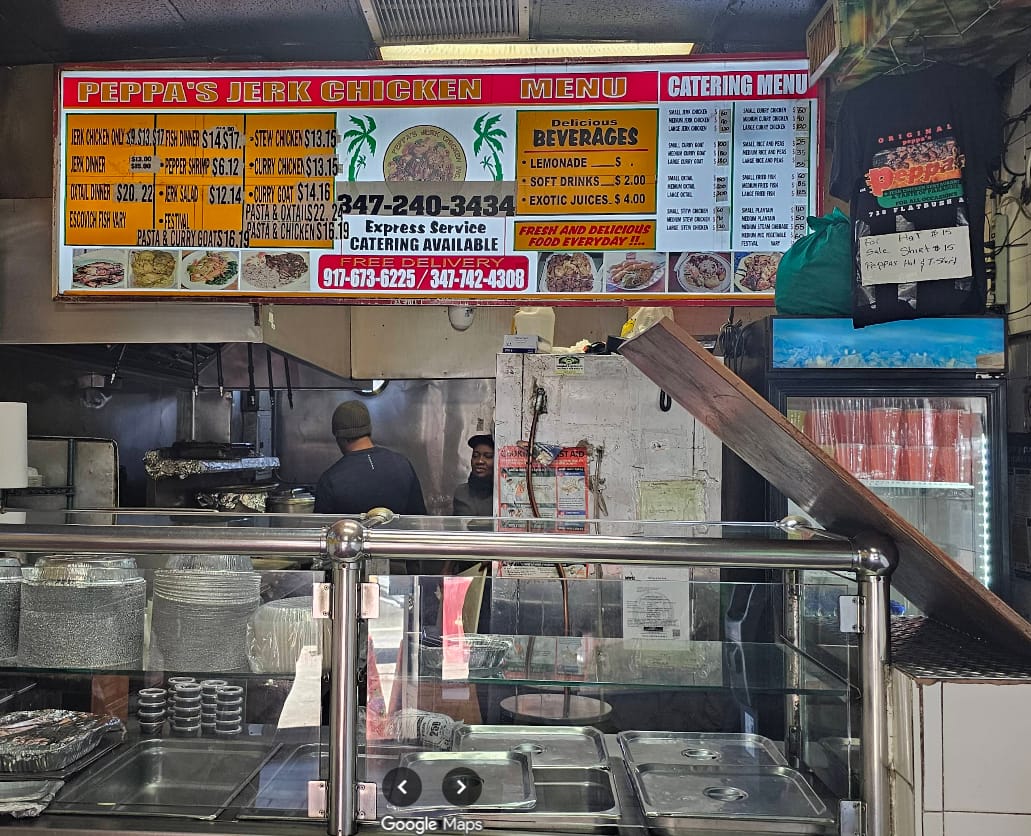
The artist explained, “I co-created this project with people and organizations in East Flatbush…it is an activation. My practice is a spiritual practice based on an energetic imprint, a divine spark.”
THE BROOKLYN MUSEUM OF LOVE AND WONDER is a wonderously ambitious, joy-filled, life-affirming celebration of humanity. Deeply reflective of the local community, its flora and fauna, neighborhood landmarks, ethnicities, cuisines and sentimental objects, it embodies the generosity and love german speaks about so uniquely as her artistic practice. For example, she recalled that the vast majority of adults asked about their dreams only talked about dreams for their children’s futures. Many said they wanted to be billionaires, but not for their own pleasure, but to ensure that everyone in the neighborhood had housing, to clean the local streets, and uplift their whole community.
Not someone known to extol the virtues of living love, healing, wholeness, or communing with the divine in my life or my artist talks, I was very moved by these selfless replies, especially in this dystopian political moment which mainly fills me with disgust and rage.
More personally, as a parent, and a 2nd generation local (my Dad grew up on Linden Blvd about 10 blocks north of the rec center), I know these sentiments embody the heart of the community: hardworking people, many immigrants, who despite every challenge still show up in storefront churches every Sunday, helping their neighbors, loving their kids, and hoping for the best.
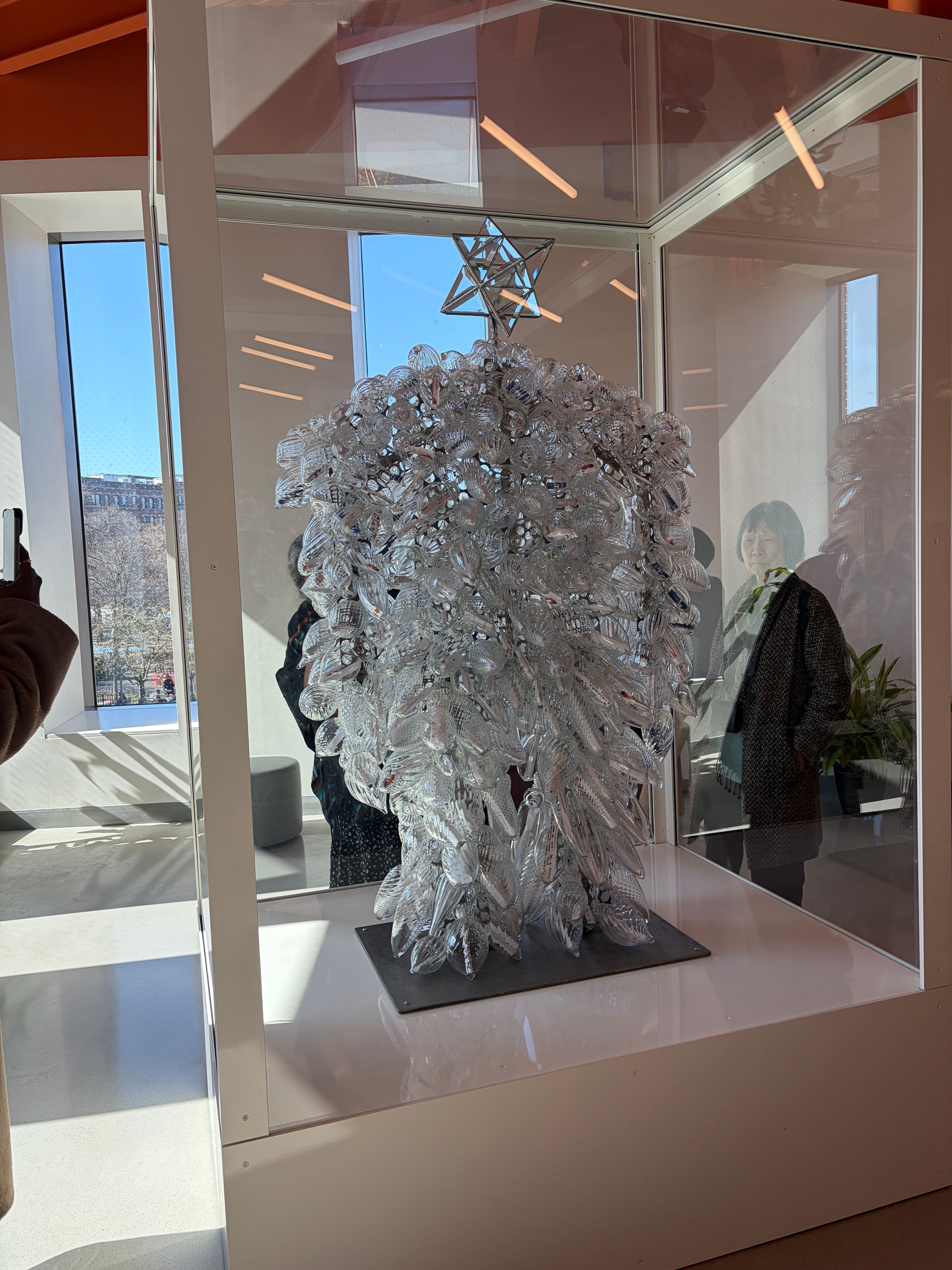
All of these conversations wound up in german’s artworks, both literally and figuratively. Handwritten answers to “What is your dream?” fill handblown vessels that make up an abstracted figure topped with a merkabah, a shape made of two interlocking pyramids that symbolizes a divine chariot connecting the earthly realm with higher consciousness.
A wall of portrait busts—including Jackie Robinson, the aforementioned social worker, a handsome construction worker from rec center, the actor Michael K. Williams (Omar on “The Wire”), the jerk chicken guy and many more—dazzle from a hallway vitrine. The heads are beaded on the reverse as well, many inset with mirrors, which face the gym’s treadmills. The mirrors are intentionally placed so that anyone can see themselves in the work, and become one of them. Each bust exudes personality, and is gorgeously faceted with semi-precious stones and minerals german sources directly from mines around the world for their colors, forms, and spiritual meaning.
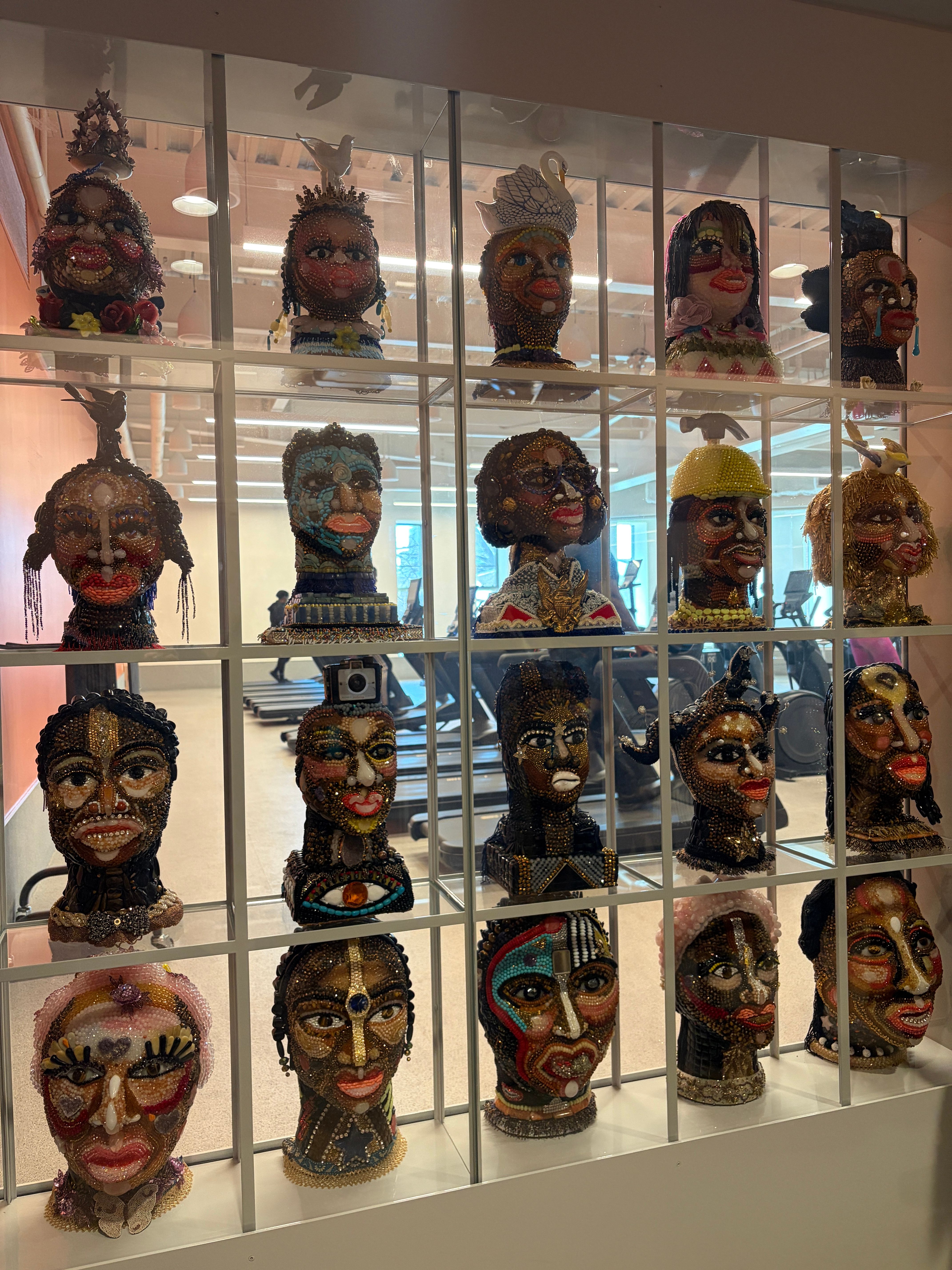
“Who are the people in the neighborhood?” - Sesame Street
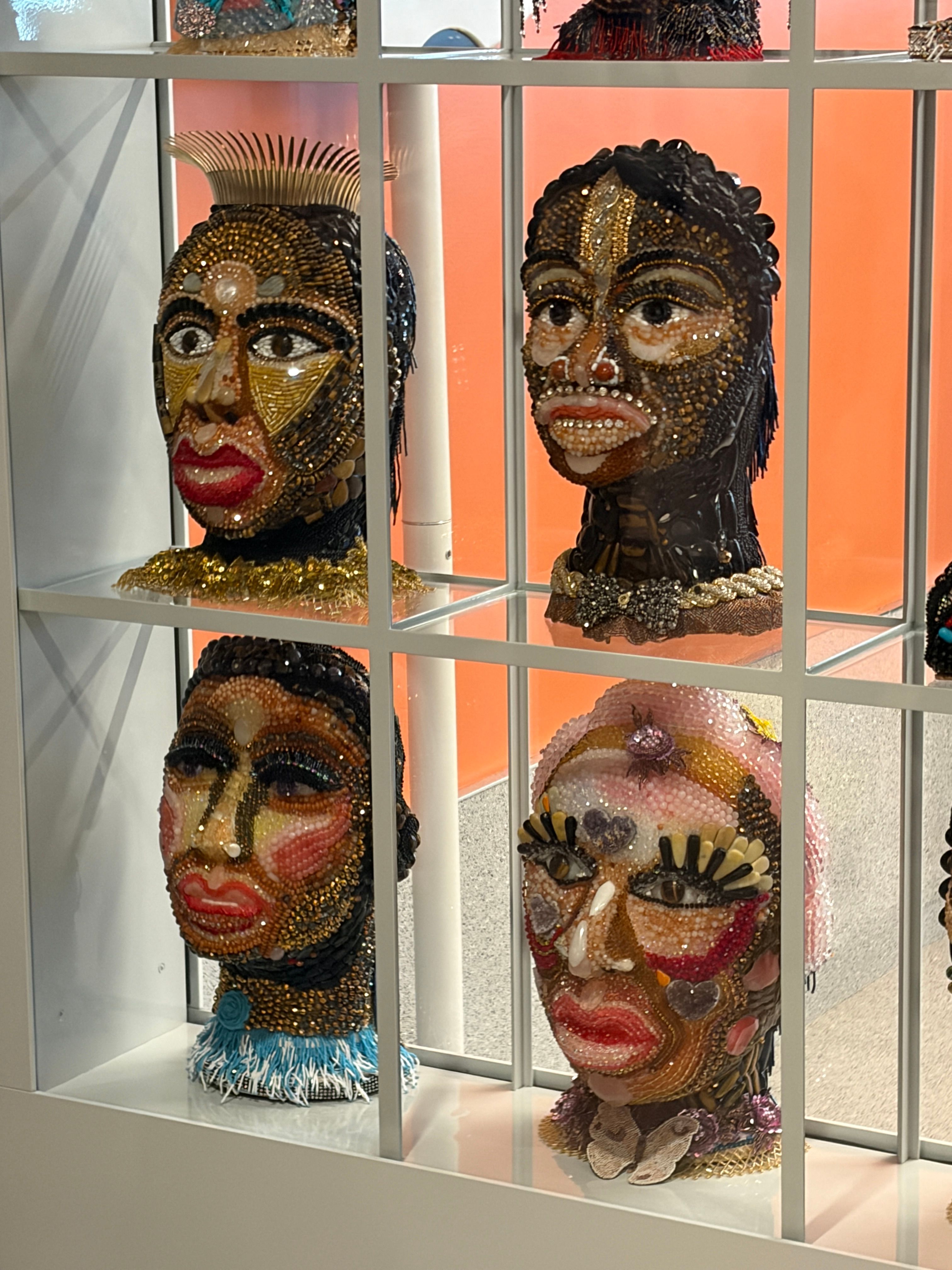
Jackie Robinson (crowned) and friends
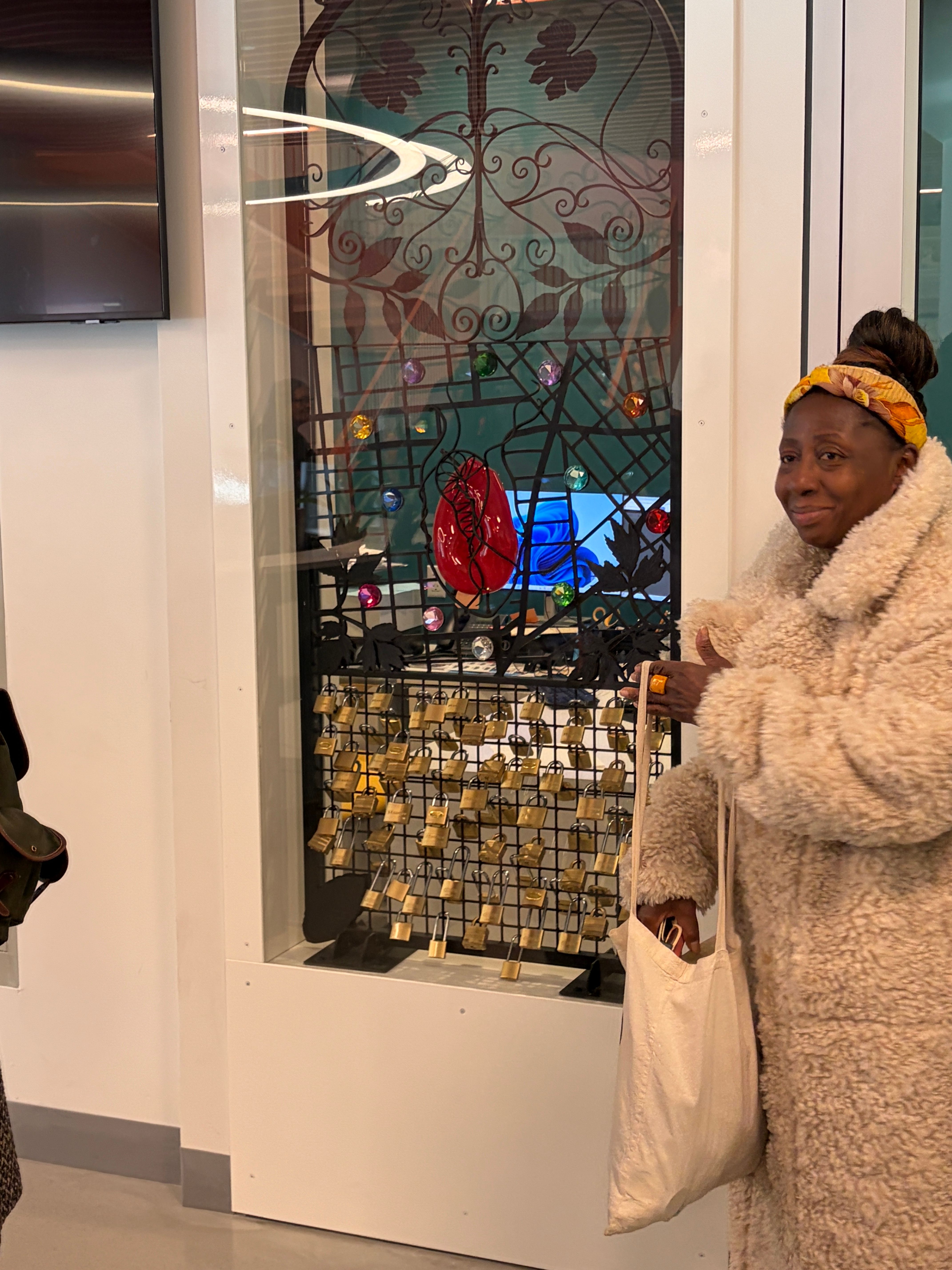
Another highlight were two “community quilts” made in collaboration with local families from My Time Inc., a local organization that supports parents of people with autism and Ifelayo Cultural Arts Academy, which empowers youth and families of African descent to achieve high levels of educational, professional and artistic excellence. Over several weeks, german worked with these families to very intentionally create or offer personal objects which were incorporated into the finished work, from lumps of clay squeezed while thinking loving thoughts, to bottlecaps, beads and little toys.
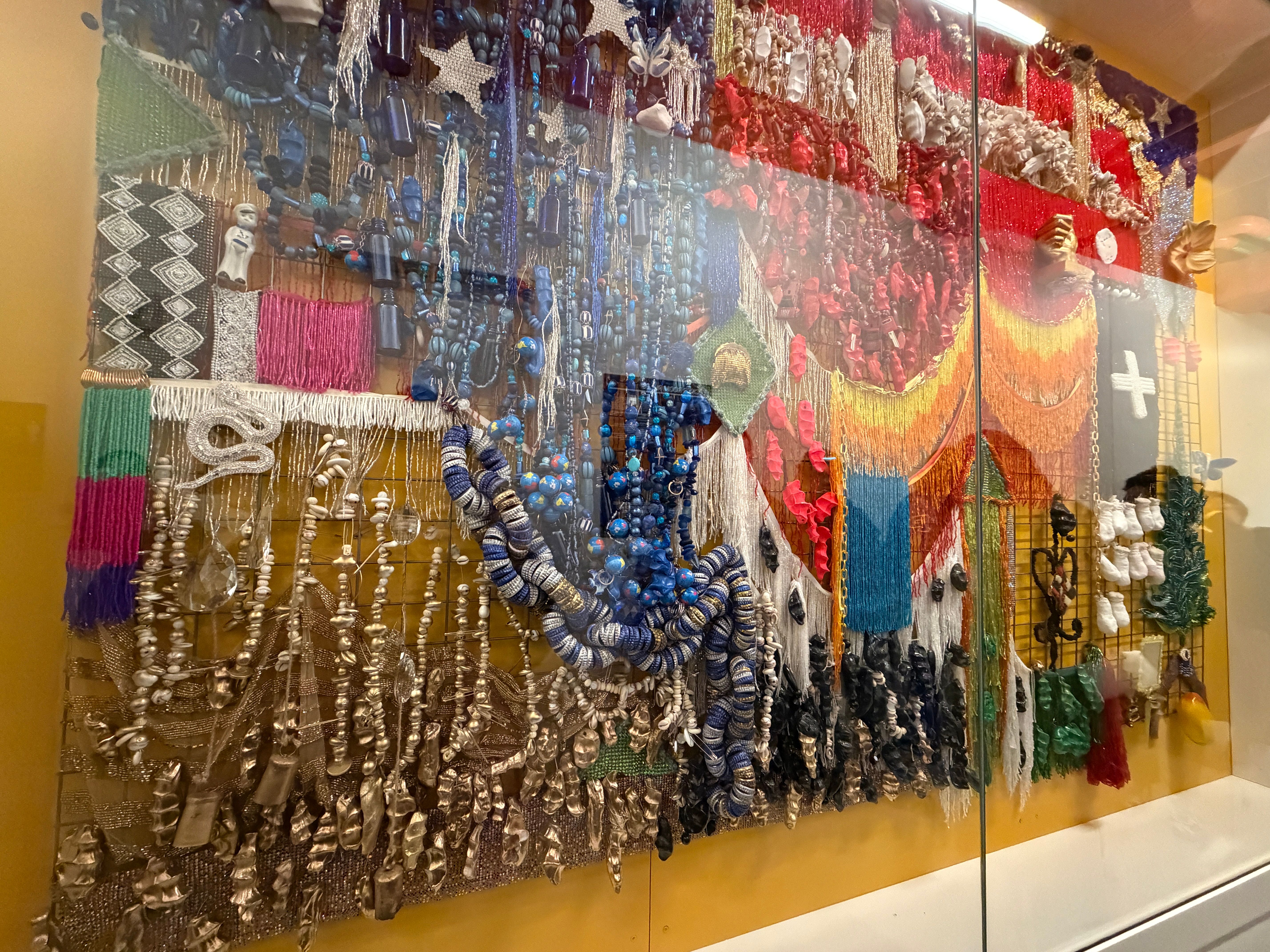
Community quilt
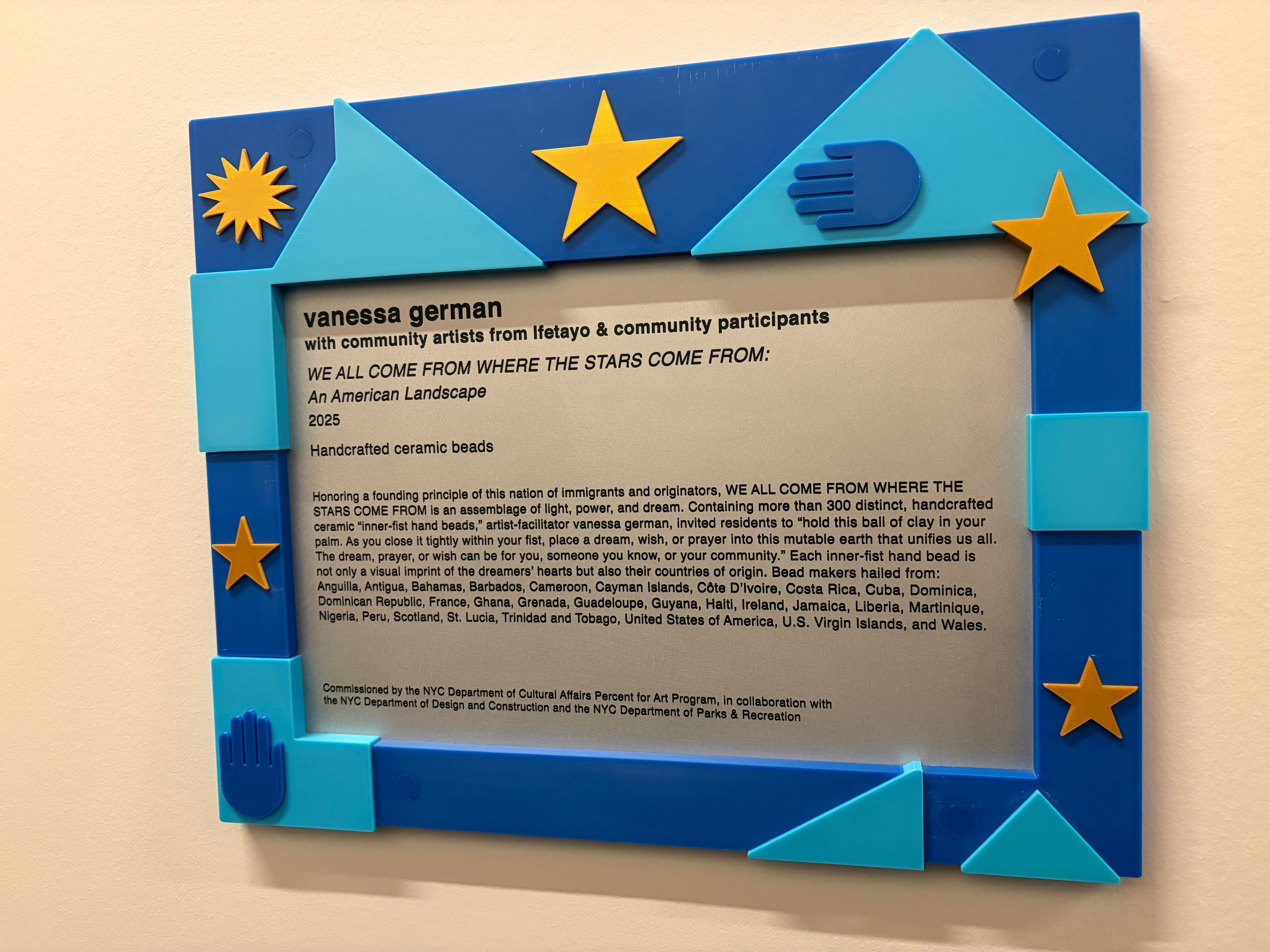
There are other artworks in the building, from the locker room to the entry, a third floor installation only visible to children who use that floor, and a bench outside made of handprints of local elders. All of them besides the bench are encased in steel and glass vitrines which will never be opened, to avoid dust and decay.
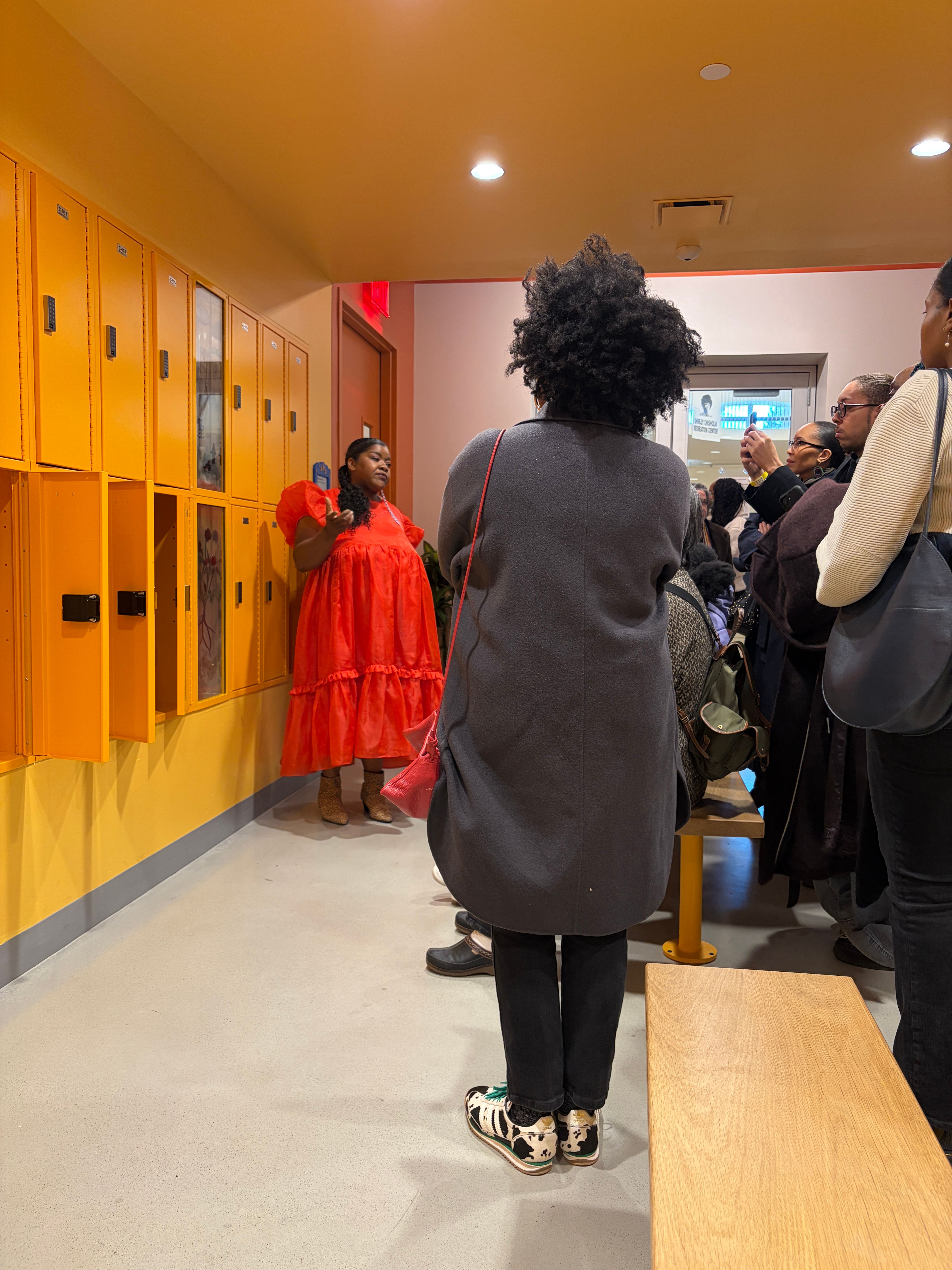
Unlike most public art in municipal rec centers, german’s work is identical to her studio work, and was mostly made by hand, her own or by other artisans and fabricators. It feels extremely refreshing to see handmade, craft-infused artworks in this type of environment, where one typically finds art specifically fabricated for durability. Don’t the people of East Flatbush deserve a free museum? Yes! And shouldn’t that museum also celebrate its audience, embody their stories and represent them to future generations? Of course!
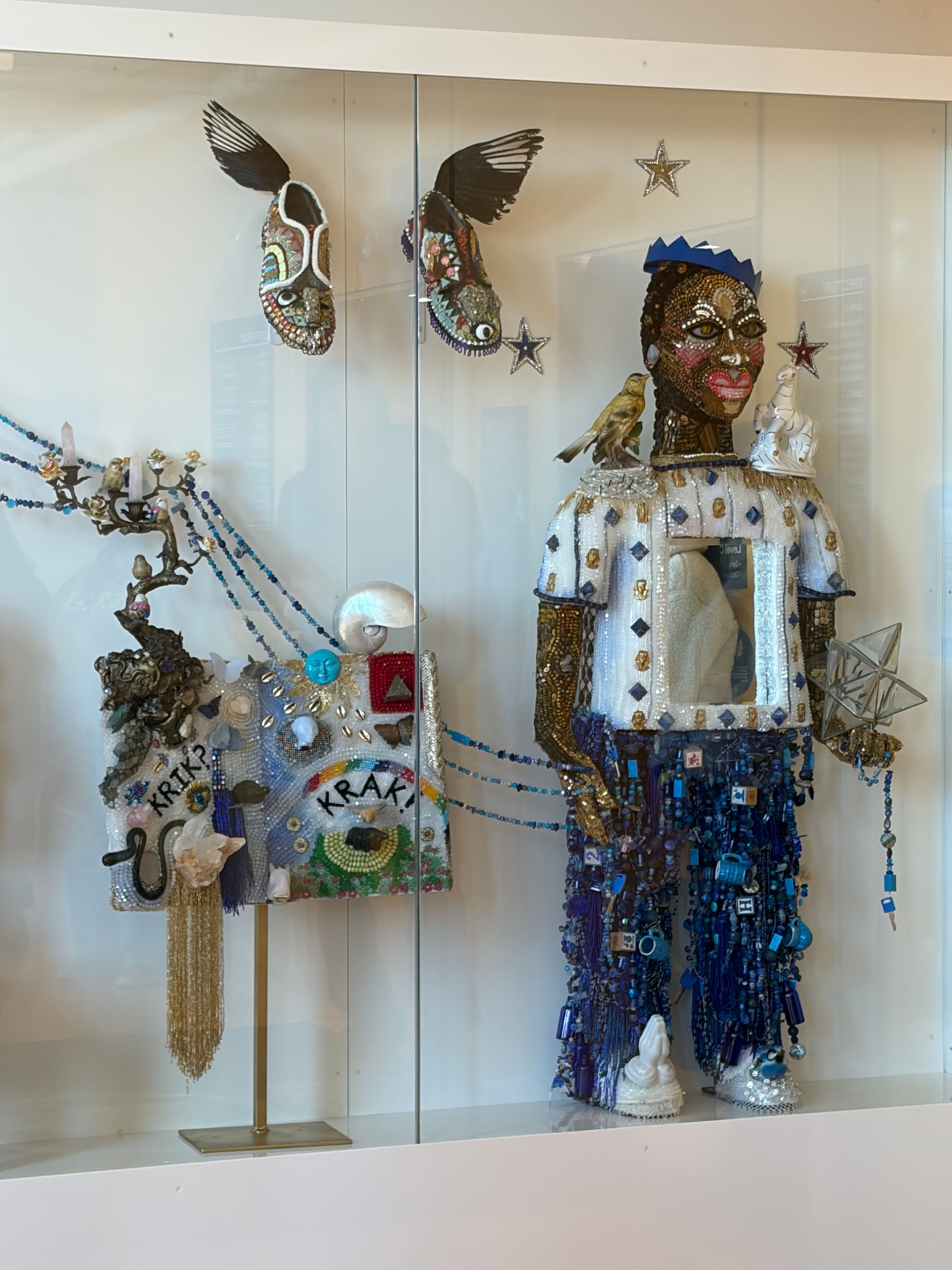
Third floor installation
Doesn’t every human being deserve creativity, joy, love and wonder? I believe so. And I can’t wait to sign my family up for the rec center, so we can sweat while studying the intricacies of these inspired artworks.
Have you visited THE BROOKLYN MUSEUM OF LOVE AND WONDER yet? Please comment!
PS: Tickets for the third ever PUBLIC ART PARTY on April 16th are selling out! Please get yours asap if you plan to join us.
Happy Passover, Easter, spring break and whatever you like to celebrate!

Mia Pearlman
http://miapearlman.com
Reply